
In Olive Branch, MS, picking the right roofing material isn’t just about looks. With the hot, muggy summers and mild, wet winters, the local weather can take a toll on your roof over time. It’s not uncommon for temperatures to climb into the 90s during July and August, which can cause certain materials to expand and contract, weakening them over time. If you’re considering re-roofing, it’s crucial to choose a material that can withstand these conditions. Whether you’re facing strong sun, occasional hail, or a steady downpour, your roofing choice matters. We’re going to look at several options, from asphalt shingles to metal roofs, and see how they stack up in Olive Branch.
Asphalt Shingles: A Popular Choice
Asphalt shingles are the go-to choice for many homeowners due to their affordability and ease of installation. In Olive Branch, three-tab and architectural asphalt shingles are common. They hold up well against the summer heat but can be prone to granule loss over time. This wear happens because the sun’s UV rays break down the asphalt, causing the shingles to become brittle. However, newer shingles with added UV protection can extend the life of your roof. The typical lifespan for asphalt shingles ranges from 15 to 25 years. Regular inspections can help catch issues early on.
Metal Roofing: Durability in All Seasons
Metal roofing has grown in popularity in Olive Branch for its durability and energy efficiency. Materials like galvanized steel and aluminum are popular here. Metal roofs reflect solar heat, reducing cooling costs during those hot summer months. They’re also resistant to wind and hail, making them a strong choice for the local climate. Installation can be more complex, but a metal roof can last anywhere from 40 to 70 years with the right care. The initial investment is higher, but the long lifespan can make it worthwhile in the long run.
Clay and Concrete Tiles: Aesthetic and Strength
For homeowners looking for a timeless look, clay and concrete tiles offer both beauty and durability. These materials can withstand high temperatures without suffering damage, which makes them well-suited to the Olive Branch climate. Concrete tiles, in particular, are resistant to fire and insects, and they can last up to 50 years or more. However, they are heavy, so your home must be structurally capable of supporting their weight. It’s essential to check the building codes and have your structure assessed before installation.
Wood Shakes and Shingles: A Natural Look
Wood shakes and shingles are often chosen for their natural appearance and insulating properties. Cedar is the most common type used in Olive Branch, offering a rustic charm. However, they require regular maintenance to prevent issues like rot and insect damage, especially in the humid climate. A key point is that wood roofing generally lasts 20 to 30 years if maintained properly. Treatments with fire retardants and fungicide can help increase longevity. It’s important to ensure proper ventilation to prevent moisture-related problems.
Synthetic Roofing: Versatile and Modern
Synthetic roofing materials, including rubber and polymer, offer versatility and a modern look. These materials are designed to mimic the appearance of natural products, like slate or wood, without the downside of weight or maintenance. In Olive Branch, synthetic options can resist UV exposure and severe weather conditions. They are lightweight and impact-resistant, with some manufacturers offering warranties up to 50 years. This makes synthetic roofing a viable option for those looking for durability and low upkeep.
Slate Roofing: Long-lasting Elegance
Slate roofing is considered one of the most durable roofing materials available. Natural slate can last over 100 years if installed correctly. This makes it an excellent choice for homeowners in Olive Branch seeking long-term solutions. Slate is naturally fire-resistant and impervious to insects. However, it’s heavy and requires a strong support structure. Installation is complex and should only be done by experienced professionals. Despite its high upfront cost, a slate roof’s longevity can be its greatest advantage.
Understanding the Installation Process
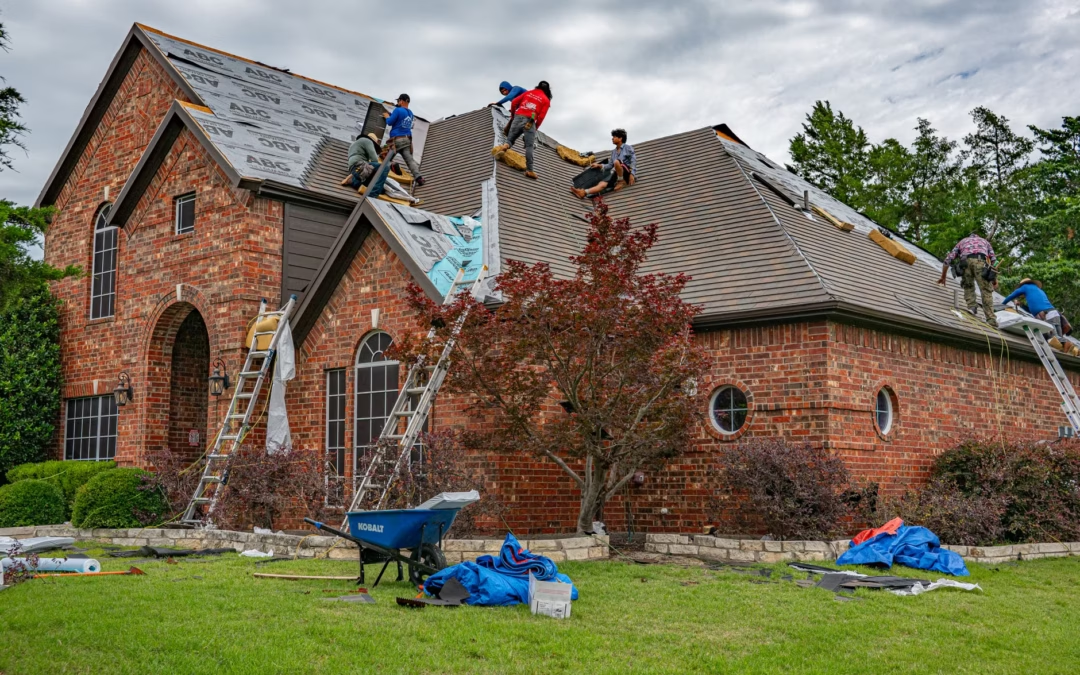
When it comes to installing a new roof, the process can vary significantly depending on the material chosen. For asphalt shingles, the task is pretty straightforward: after removing the old shingles and inspecting the roof deck for damage, new underlayment is laid down, followed by the shingles. Metal roofing installation requires more precision, with panels cut to size and properly aligned to ensure no leaks. Tile roofs demand more structural preparation, especially if switching from a lighter material. Slate, given its weight and cost, involves careful handling and precise placement. Each step, from tear-off to final inspection, needs to be done properly to ensure the roof performs well.
Seasonal Timing Considerations
Timing the installation of a new roof can make a big difference in Olive Branch. Spring and fall are often ideal. The milder temperatures make installation easier and more comfortable for crews, and materials are less likely to expand or contract compared to the peak of summer or the chill of winter. Fall installations help prepare your home for winter rains, while spring projects ensure you’re ready for the summer heat. Scheduling your project outside of peak times can help avoid delays and gives you a better chance of landing your preferred contractor.
What to Ask a Contractor
When you’re talking to roofing contractors, there are a few key questions to have ready. Ask about the types of materials they have experience with and if they have recommendations based on your roof’s pitch and your home’s structure. Check if they are familiar with local building codes and can provide references from other Olive Branch projects. Ask about their installation process, warranties offered on materials, and what their timeline looks like for completing the work. Knowing these details can help you make an informed decision.
Factors to Consider When Choosing Your Roof
Choosing the best roofing material depends on several factors. Consider the pitch of your roof, as not all materials are suitable for low slopes. Evaluate your home’s structural integrity, especially if you’re eyeing heavier options like slate or concrete tiles. Local building codes and neighborhood aesthetics might also influence your choice. Plus, weigh the climate impacts: hot summers, wet winters, and the occasional storm. A roof that performs well in all these conditions is key. Finally, think about maintenance. Some materials need more upkeep than others, and you should consider how much time and effort you’re willing to invest.
Key Takeaways
- Asphalt shingles are cost-effective but need UV protection for longevity.
- Metal roofing offers durability and energy efficiency, lasting up to 70 years.
- Clay and concrete tiles are sturdy but require structural support.
- Wood shakes need maintenance but offer excellent insulation.
- Synthetic roofing is a durable, low-maintenance option.
- Slate roofing provides unmatched longevity but comes with higher costs.
- Installation methods vary by material, impacting both cost and time.
- Choose your installation season wisely to optimize conditions.
- Ask contractors about experience, codes, and timelines.
Conclusion
Choosing the right roof for your Olive Branch home comes down to weighing the pros and cons of each material against local weather conditions. We recommend considering both the initial cost and long-term benefits, like durability and maintenance needs. Whether you aim for a quick fix or a lifetime solution, consult with a roofing professional. That way, your choice matches your budget, style, and the demands of the Olive Branch climate.